.svg)
%201.svg)
How Whole Genome Sequencing Helps Researchers Unlock Deeper Biological Insights
%20(1).svg)

May 18, 2026

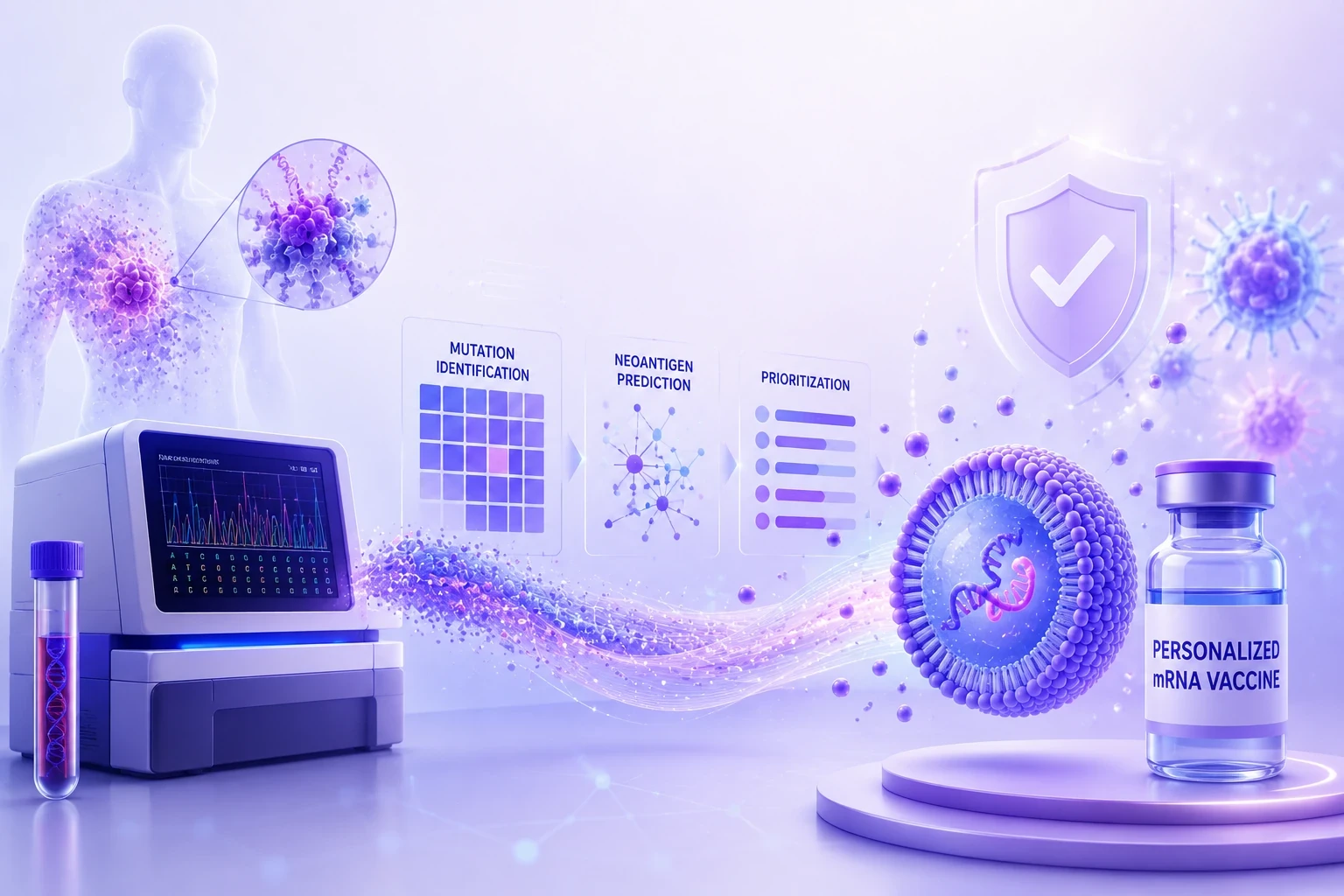
In the era of precision medicine, biological data is growing faster than most research infrastructures can effectively organize, contextualize, or operationalize. At the heart of this revolution is Whole Genome Sequencing (WGS), a technology that has evolved from a multi-billion-dollar, decade-long endeavor into a routine, accessible laboratory procedure. However, sequencing a genome is no longer the bottleneck; the true challenge lies in analyzing, interpreting, and connecting that genomic data to clinical outcomes.
Here, we explore the power of WGS, how it drives novel discoveries, and how Elucidata bridges the gap between raw sequencing data and AI-ready biological insights across dozens of data modalities.
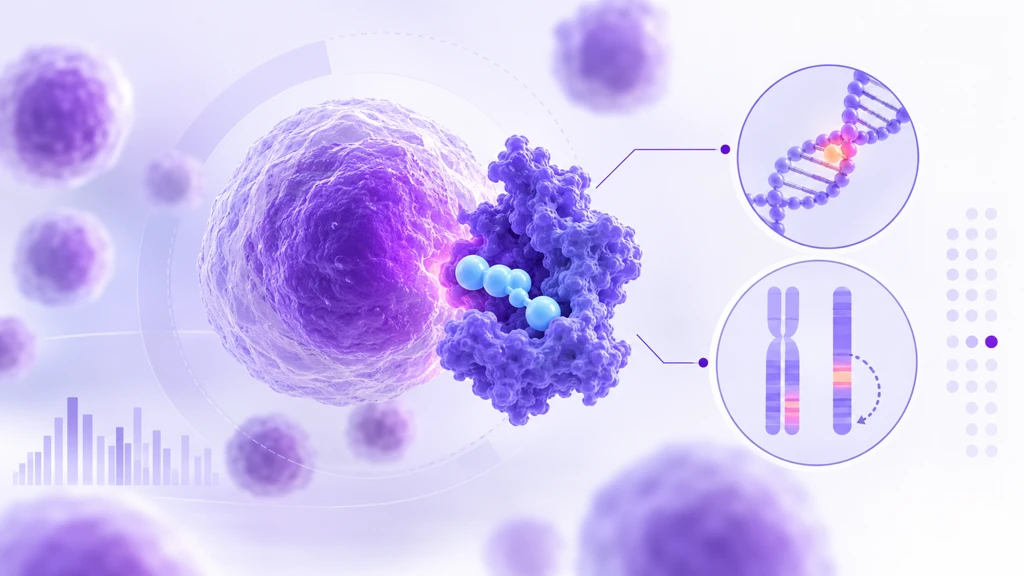
Whole Genome Sequencing is a comprehensive method used to determine the entire DNA sequence of an organism’s genome at a single time. Unlike targeted sequencing methods such as Whole Exome Sequencing, which only looks at protein-coding regions, WGS captures all ~3 billion base pairs of the human genome, providing a complete view of both coding and regulatory genomic architecture.
By scanning the entire genetic landscape, WGS provides unmatched resolution compared to other genomic tools. Its primary advantages include:
Researchers leverage WGS data to move from raw code to tangible biomedical breakthroughs in several key ways:
Target Identification & Validation: By comparing the whole genomes of large patient cohorts against healthy populations, researchers can pinpoint novel genetic variants uniquely tied to specific diseases. These variants act as starting points for developing new therapeutic compounds and this data can be used to build Genomic variant stores.
Patient Stratification for Clinical Trials: WGS allows researchers to segment patient cohorts based on their exact genetic profiles, ensuring clinical trials are populated with individuals most likely to respond positively to a drug candidate.
Biomarker Prediction: WGS data aids in discovering predictive genomic signatures. In oncology, for instance, determining a tumor's exact Mutational Signature or Tumor Mutational Burden (TMB) via WGS helps predict whether a patient will benefit from immunotherapies.
While WGS holds immense potential, its sheer data volume can quickly become overwhelming without the right infrastructure. The true value of genomic data lies not in static storage, but in its ability to be continuously organized, integrated, queried, and contextualized to generate actionable biological insights and support better decision-making. As precision medicine evolves, scalable multimodal data infrastructure becomes critical for transforming raw sequencing outputs into dynamic, reusable knowledge assets. This is where Elucidata plays a key role.
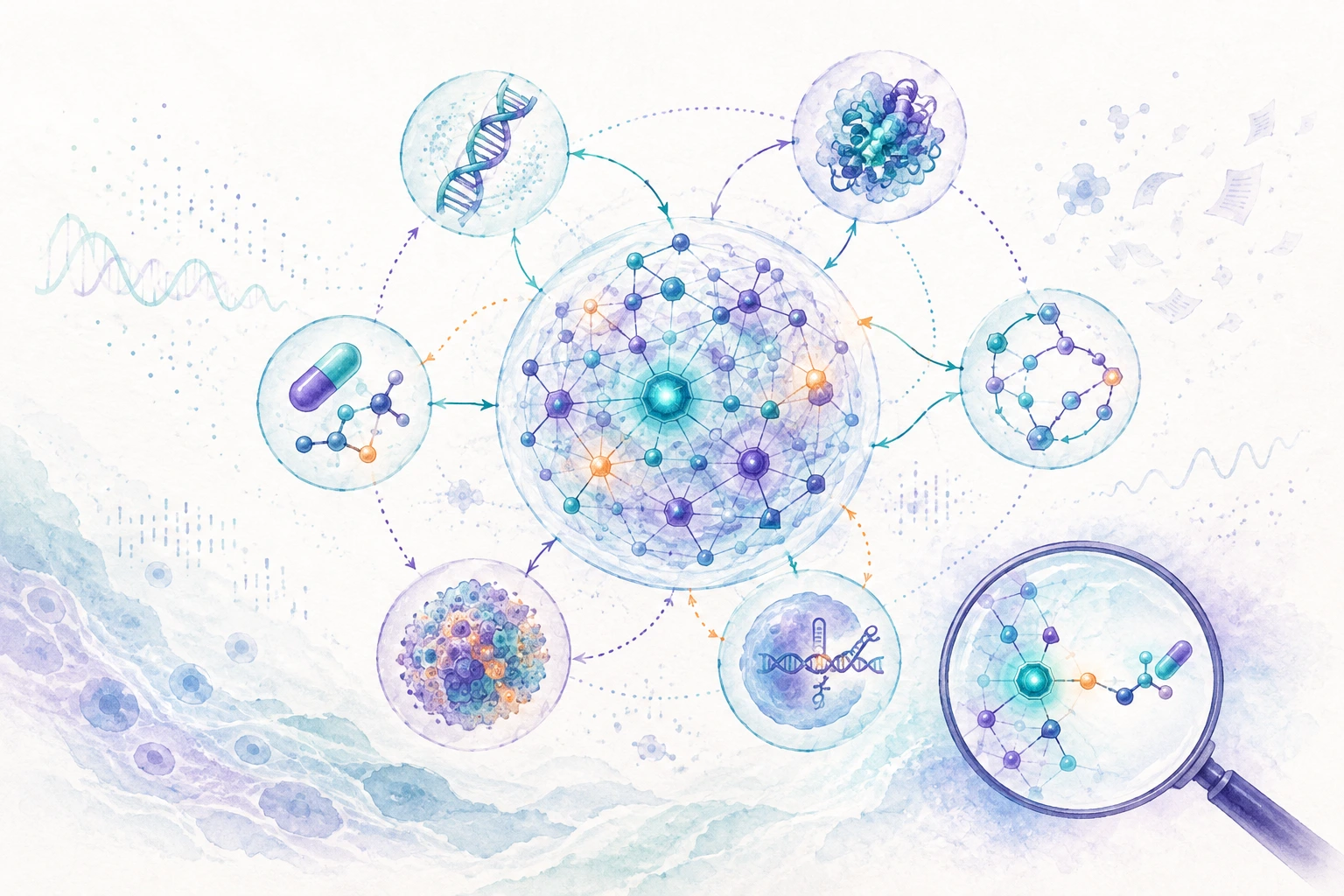
Genomics is incredibly powerful, but it only tells part of the story. To truly understand biology, a mutation found via WGS must be contextualized with real-world outcomes, cellular behavior, and downstream biological activity. This can be used to build platforms that can map sequencing data to biological knowledge which can be
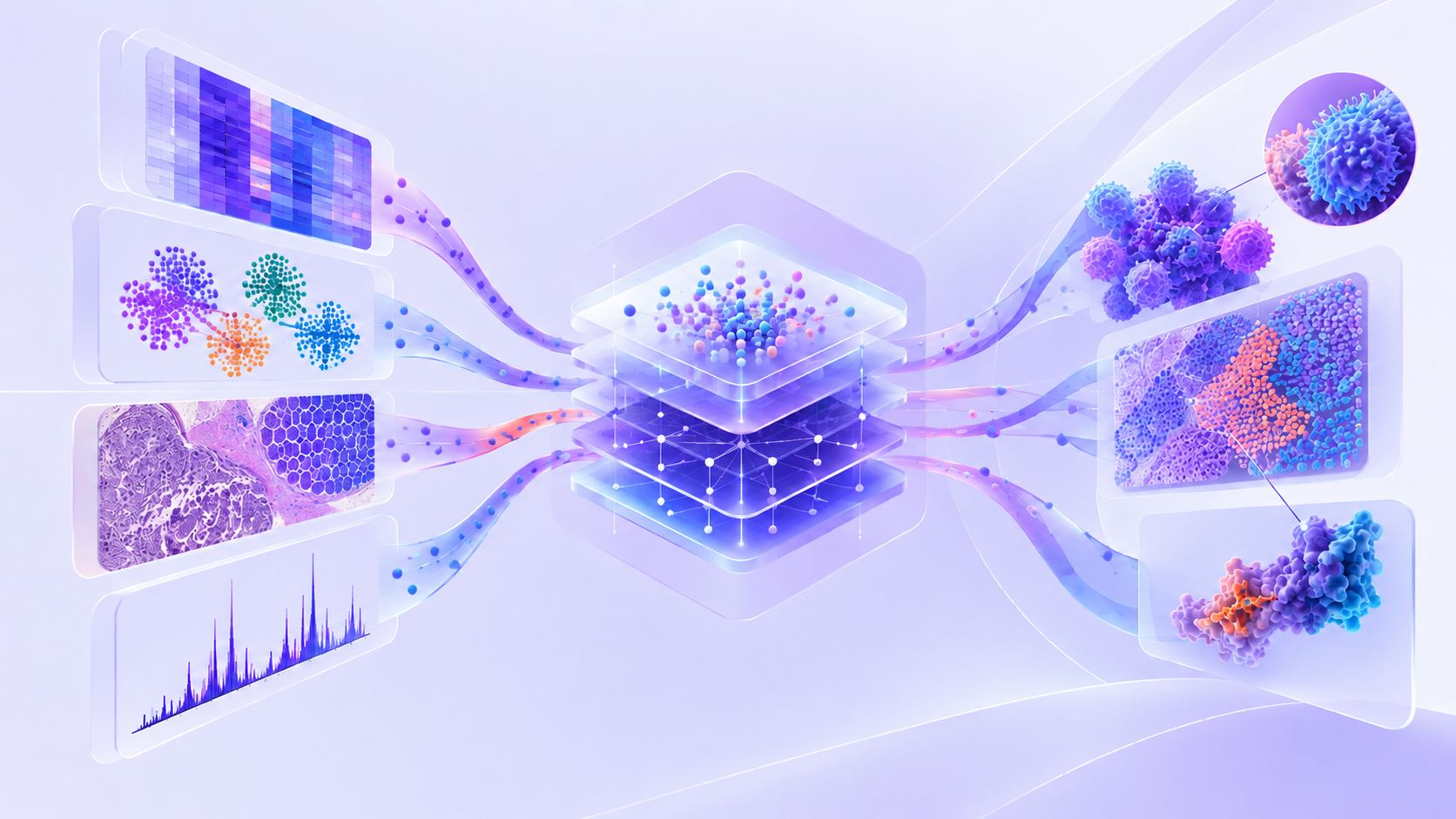
Elucidata excels at multimodal data integration, supporting over 30 distinct biological data modalities simultaneously. This allows researchers to cross-reference WGS findings with a multidimensional web of biomedical data:
By unifying data across into a cohesive data infrastructure, Elucidata allows biopharma companies to feed clean, multi-dimensional inputs directly into advanced Machine Learning models and Foundation Models.
Instead of looking at genomics in isolation, researchers can ask complex, multi-layered questions: “Show me all patients with a specific WGS structural variant who also show high expression of Gene X in single-cell sequencing and have a history of resistance to Drug Y in clinical trials.”
Whole Genome Sequencing provides the foundational code of life, but data without context is just noise. By leveraging Elucidata’s automated harmonization engine and its ability to effortlessly bridge genomics with over 30 other clinical, imaging, and omics modalities, life science organizations can break down data silos, maximize the value of their sequencing investments, and accelerate the timeline from genetic code to life-saving therapies. Connect with Elucidata to build scalable, AI-ready multimodal data ecosystems that accelerate translational discovery and precision medicine.


.svg)
.svg)


%201%20(1).svg)


%201%20(1).svg)

%20(1).svg)





.svg)
%20(1).svg)


