.svg)
%201.svg)
Why Life Sciences Organizations Are Moving Beyond Static Genomic Storage
%20(1).svg)

May 7, 2026
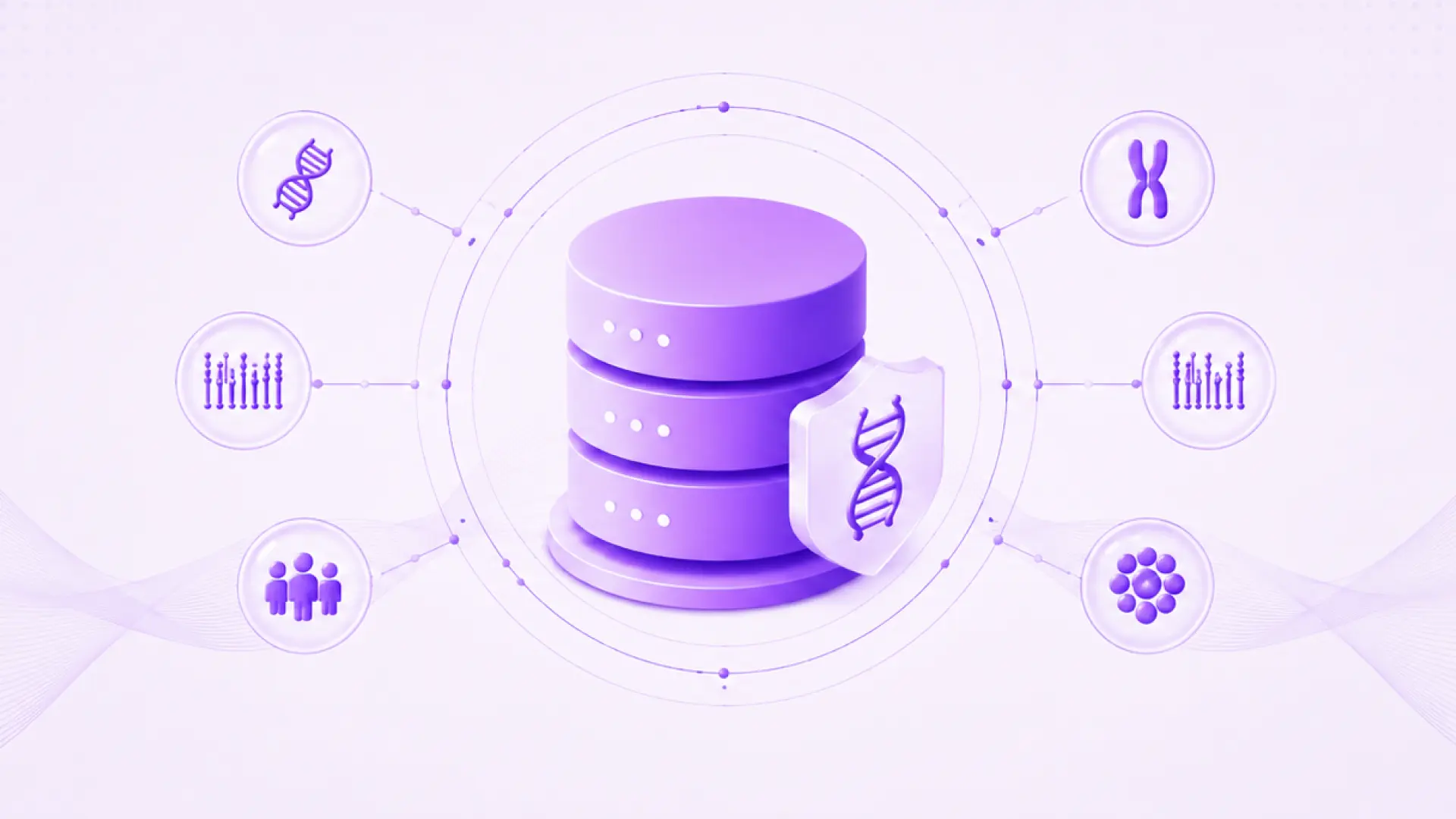
For years, organizations relied on large-scale cloud platforms to store the rapidly growing volume of genomic and clinical datasets. From Whole Genome Sequencing (WGS) outputs to longitudinal patient records, these platforms became the default infrastructure layer for modern biomedical research.
But as cloud storage models evolve, costs rise, and legacy services phase out or shift priorities, the industry is confronting a deeper challenge of storing biomedical data.
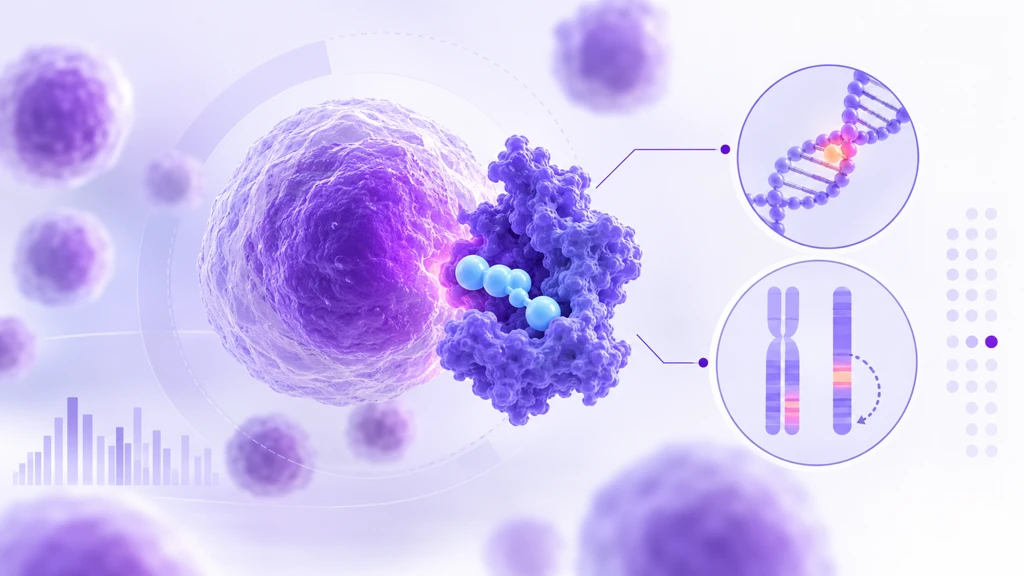
Healthcare organizations are sitting on petabytes of fragmented patient data that is difficult to query, expensive to maintain, and challenging to translate into actionable clinical insights. In genomics especially, raw sequencing files without structured interpretation are just digital archives rich in information, but poor in usability. The real value lies in Companion Diagnostics (CDx): the ability to analyze a patient’s genetic profile to support diagnosis, assess disease risk, and identify therapies with a higher probability of response. To enable this shift, the industry is moving away from static genomic archives toward integrated architectures built around Variant Stores and Annotation Stores.
The challenge isn't just about finding a new home to your clinical data.
To transition from static archives to actionable insights, modern genomic architecture relies on two distinct but interconnected pillars: the Variant Store and the Annotation Store.
A Variant Store is a highly optimized, scalable database designed to house the specific genetic differences (variants) identified in an individual or population.
When a patient undergoes Whole Genome Sequencing (WGS), the raw data is processed to identify millions of variations such as Single Nucleotide Polymorphisms (SNPs) or Insertions/Deletions (Indels).
A mutation in isolation is just a coordinate. The Annotation Store is the knowledge layer that provides the medical and biological context for those coordinates. It aggregates data from global biomedical repositories (such as ClinVar, gnomAD, or COSMIC).
To operationalize this architecture at scale, organizations need data frameworks capable of continuously integrating genomic variants with evolving biological and clinical context.
By integrating a Variant Store (the mutations) with an Annotation Store (the medical knowledge), researchers can finally query a genome like a search engine. Instead of months of analysis, a clinician can instantly identify risk profiles and possible diseases the patient is already suffering from.
This isn't just about diagnosis; it’s about treatment. By subgrouping patients based on precise genomic markers, pharma companies can:
When data is harmonized and useful, it stops being a storage bill and starts being an asset. High-quality patient data is a goldmine for other pharma companies, creating new opportunities for data partnerships and therapeutic discovery.
The retirement of legacy cloud services is a wake-up call for life sciences industry and an opportunity to move away from the limitations of static storage.
By adopting architectures that prioritize data utility over passive storage, organizations are not just solving infrastructure problems, they are building the foundation for scalable precision medicine and future therapeutic partnerships.
At Elucidata, we help life sciences organizations build scalable, AI-ready biomedical data foundations through harmonization, contextualization, and translational data engineering. Connect with us to turn your genomic data from a storage burden into a scalable precision medicine asset.


.svg)
.svg)


%201%20(1).svg)


%201%20(1).svg)


%20(1).svg)




.svg)
%20(1).svg)


