


Neuroendocrine prostate cancer (NEPC) shows up in up to 30% of CRPC patients. With a median survival of just seven months and limited treatment options, the clinical need is urgent. However, the conventional data-drive approaches to drug discovery fall short here - there simply isn't enough high-quality, publicly available datasets on this aggressive subtype to train standard models or confidently identify new targets.
To bypass this bottleneck, we are taking a different approach.
Instead of looking at data-scarce diseases like NEPC in isolation, we're mapping the mechanistic overlap with other cancers where data is abundant. By using that overlap, we can surface high-confidence drug repurposing candidates. Biomedical knowledge graphs (BKGs) are uniquely equipped to solve this exact problem.
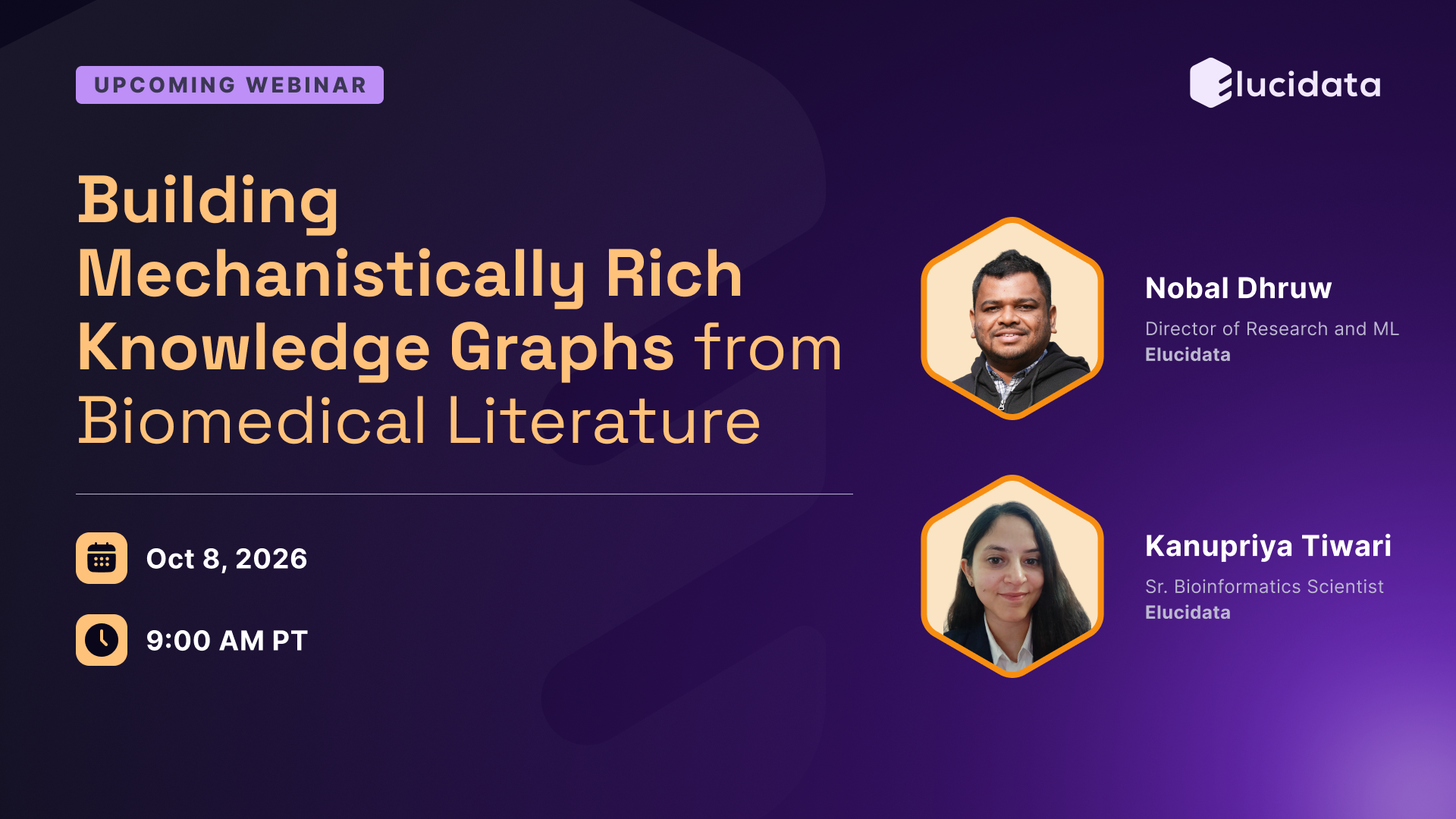
In this session, we’ll walk through how this works in practice.
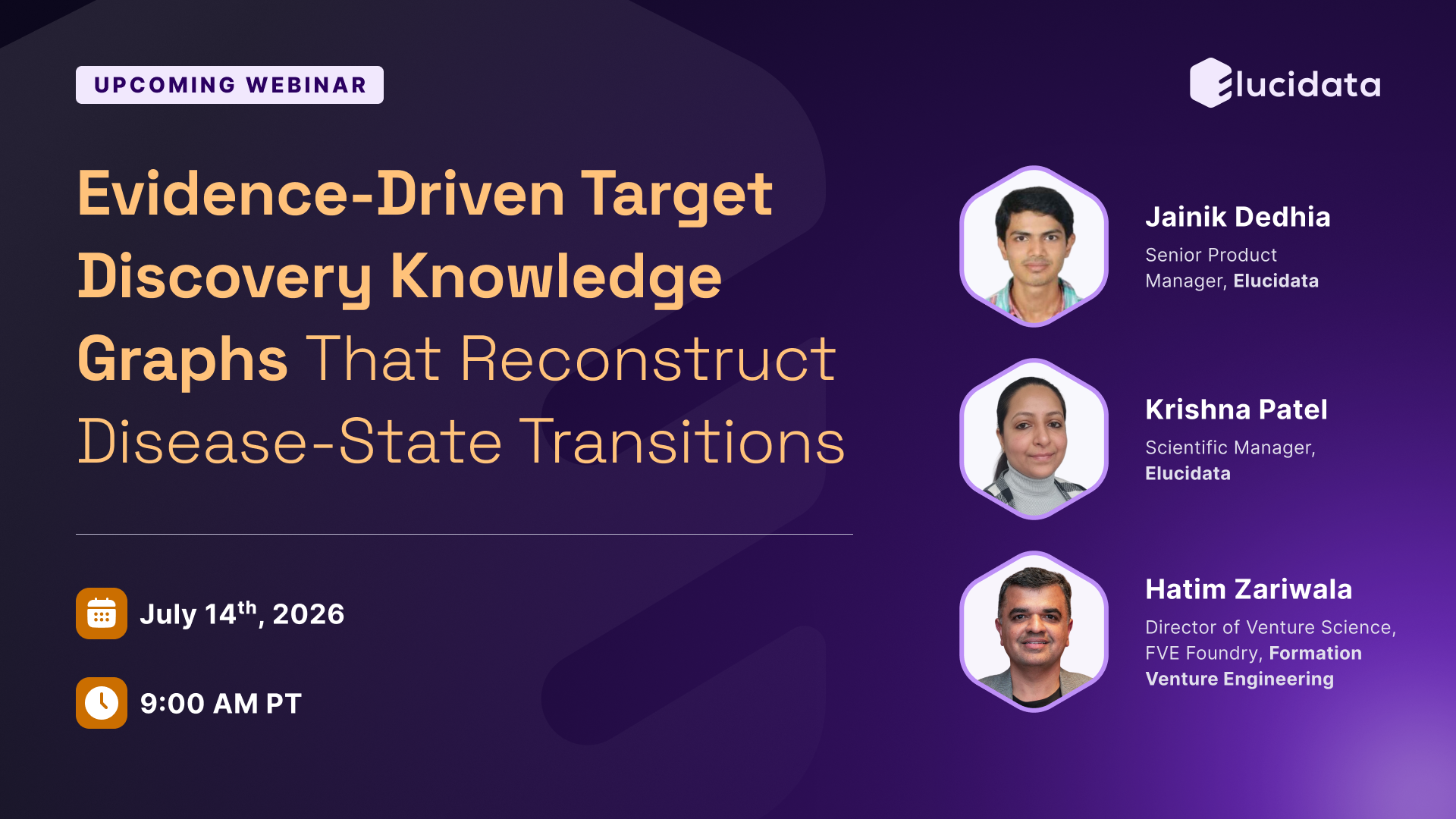
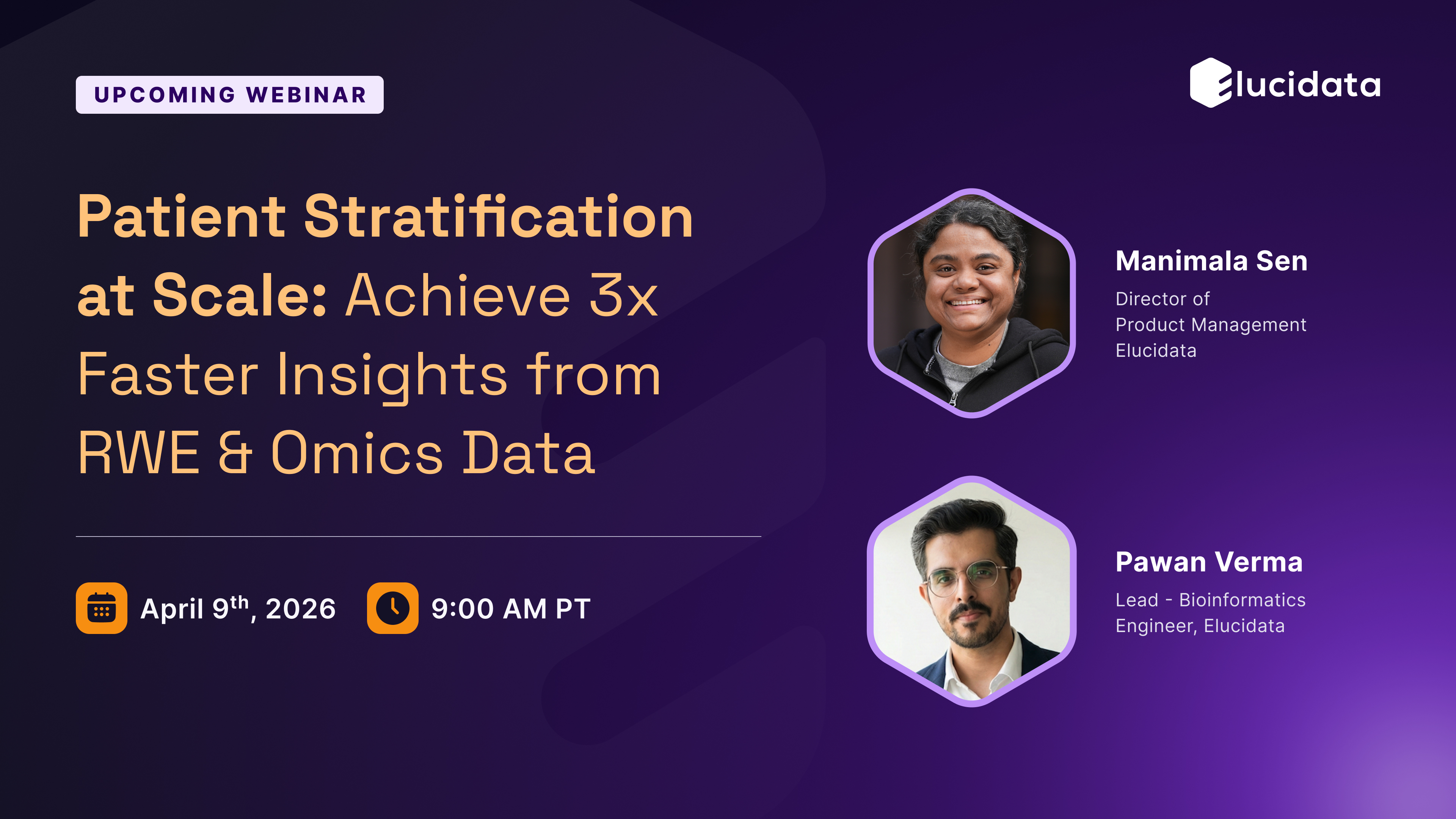
We’ll demonstrate how Polly Knowledge Graphs (KGs) pull together 20+ curated sources to bridge the data gap. Using our no-code interface, we will show a streamlined Target ID workflow: querying the graph to find genes that share the exact same essentiality profiles as known cancer drivers. By mapping these shared functional relationships, we can identify new therapeutic targets and instantly match them with existing drugs ready for repurposing.



Scaling clinico-genomic data integration: Large pharmaceutical organizations working with external data providers used Polly to build interoperable clinico-genomic data products 6x faster.
Although purchased datasets are often labeled as "clean," they still lack interoperability—Polly's pipelines bridge this gap with robust integration and harmonization.
Information Retrieval: Drug safety monitoring teams used Polly's Knowledge Graph powered co-scientist to conversationally retrieve the right cohorts & assess drug response—cutting discovery time by 70%.
%201.svg)


.png)
.png)
.png)

.png)


If you’re working with complex biological data, you may be asking:
Can generative AI truly assist in scientific reasoning, not just data analysis?
What does it mean for hypothesis generation, literature review, or even designing experiments?
Could this accelerate—not replace—my discovery pipeline?
Whether you're skeptical, curious, or already experimenting with AI in your lab—this is a session designed to ground your understanding in evidence, not speculation.
.png)


.svg)
.svg)


%201%20(1).svg)


.svg)

.svg)
%20(1).svg)


