.svg)
%201.svg)
Can Cell Painting and Multimodal AI Transform Rare Blood Disorder Research?
%20(1).svg)

April 28, 2026

Rare blood disorders collectively affect over 300 million people globally when taken together, yet many individual conditions remain underdiagnosed and understudied. In these diseases, every delayed insight can mean delayed treatment, prolonged complications, or missed therapeutic discoveries. The challenge is that clinicians often rely on conventional blood markers such as hemoglobin levels or reticulocyte counts that reveal changes only after cellular damage has already been unfolding for days or even weeks.
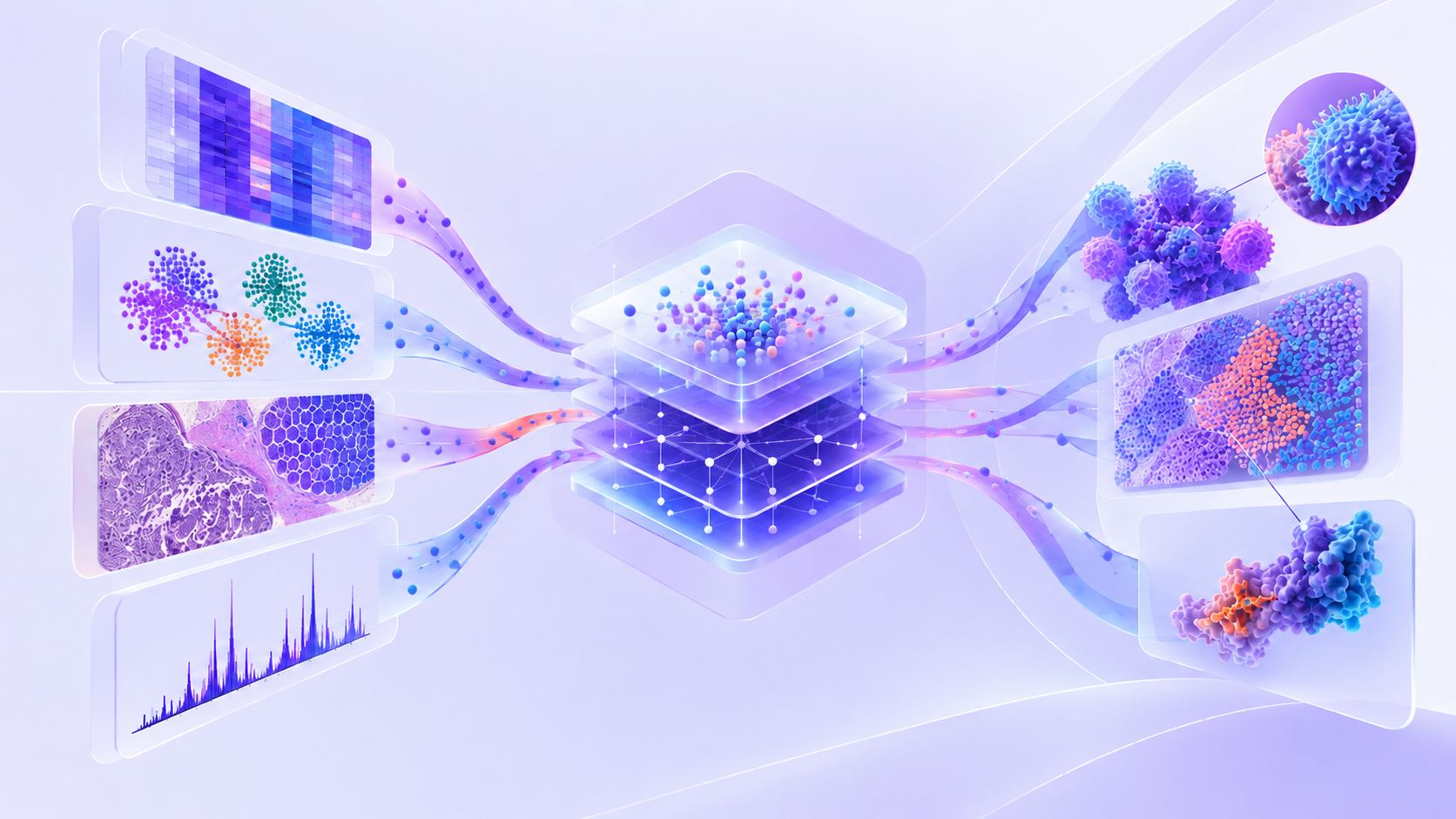
What if we could detect disease progression before blood counts change or a single cell image could reveal how a therapy is working in real time? These possibilities are now becoming real through Multimodal AI. By combining high-resolution cellular imaging with genomic data we can understand what cells look like with what genes are doing.
This allows teams to build powerful phenotypic fingerprints that uncover disease mechanisms earlier, accelerate drug discovery, and improve treatment precision far beyond traditional methods. This shift could redefine how therapies are discovered, biomarkers are validated, and how drug discovery pipelines are accelerated.
In rare hematological research, clinical and preclinical programs generate a massive volume of multimodal data, including imaging, transcriptomics (RNA-seq), and biomarker time-series. Yet much of this data remains underused due to two major bottlenecks:
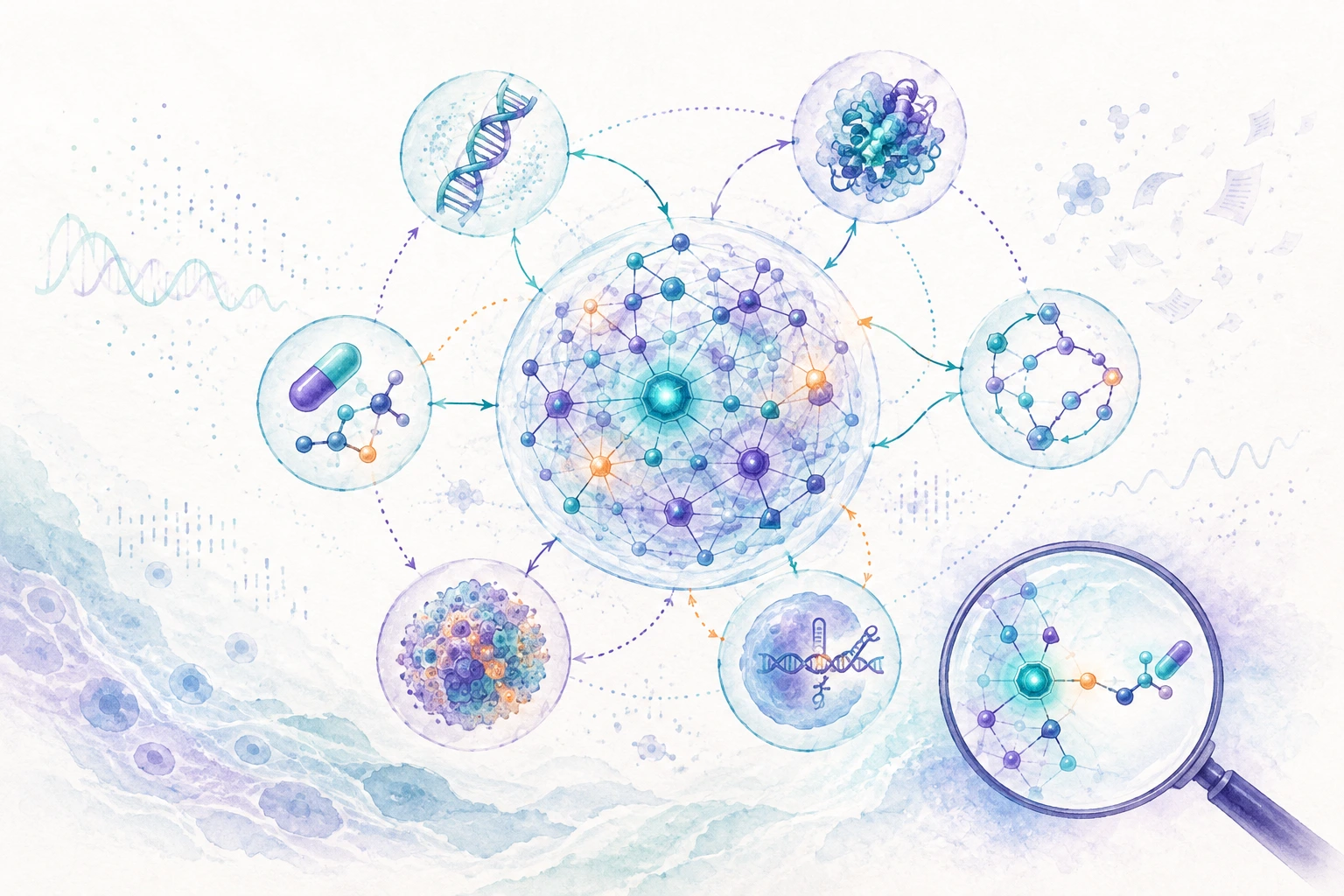
By integrating Cell Painting with Transcriptomics through deep learning, we can create a high-dimensional "phenotypic fingerprint" of drug response.
Cell Painting is a high-throughput imaging assay technique that uses fluorescent dyes to label different parts of a cell. While standard microscopy captures basic structure, Cell Painting creates a rich phenotypic profile using features such as texture, geometry, intensity, and organelle organization.
For rare blood disorders, this presents a unique challenge and an incredible opportunity. Red blood cells lack a nucleus and most organelles, making them difficult to study with traditional cell models. Newer vision models such as DINO instead learn from membrane shape, surface texture, and population-level variation, enabling more accurate classification of healthy, sickled, or enzyme-deficient cells.
The real breakthrough lies in Multimodal AI:
To build these multimodal models, we can utilize massive public repositories and specialized datasets:
Cell Painting and multimodal AI are shifting hematology research from reactive measurement to proactive understanding. By linking cellular morphology with molecular biology, teams can detect signals earlier, prioritize therapies faster, and make better decisions across discovery and translational research. For rare blood disorders, where every sample and every month matters, that advantage is significant.
Elucidata helps biopharma teams unify multimodal datasets, build AI-ready pipelines, and accelerate insight generation across discovery and translational research.
Exploring Cell Painting or multimodal AI for rare disease programs? Connect with Elucidata to turn complex data into faster decisions.


.svg)
.svg)


%201%20(1).svg)


%201%20(1).svg)


%20(1).svg)




.svg)
%20(1).svg)


