.svg)
%201.svg)
How Simulating Perturbations Can Help Fix Toxicity Failures in Drug Discovery
%20(1).svg)

May 4, 2026
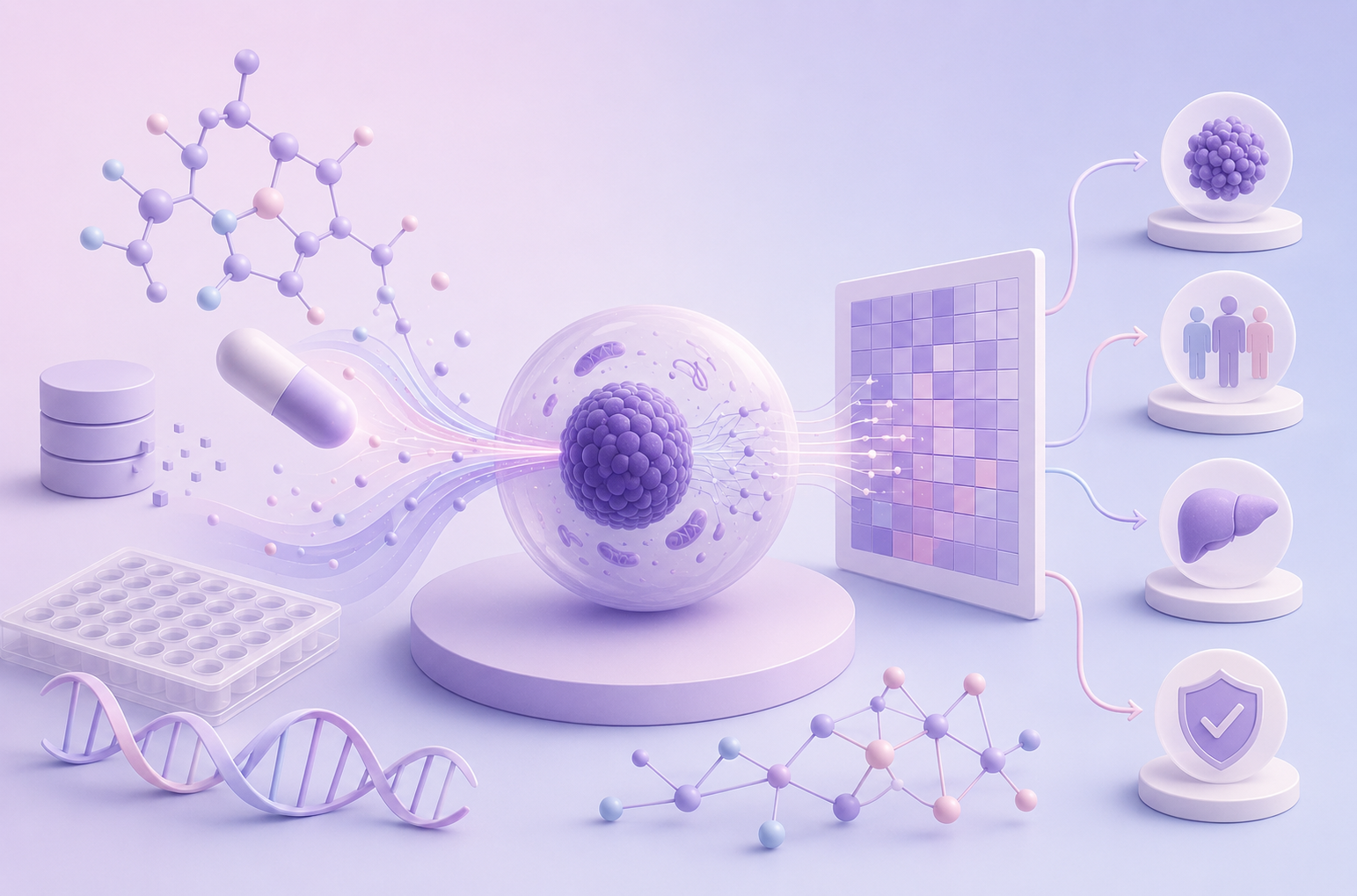
In the race to digitize drug discovery, the industry has been flooded with AI tools promising to predict drug safety and toxicity using in silico methods, yet molecules that appear safe in computer simulations continue to cause adverse effects in human trials.
Most predictive models are built on generic foundations, trained on standardized lab cell lines that fail to capture the genetic and functional complexity of real human tissue. When these models are used to predict toxicity in specific human cells, they do not truly simulate risk; they approximate it and often miss critical, context-dependent signals.
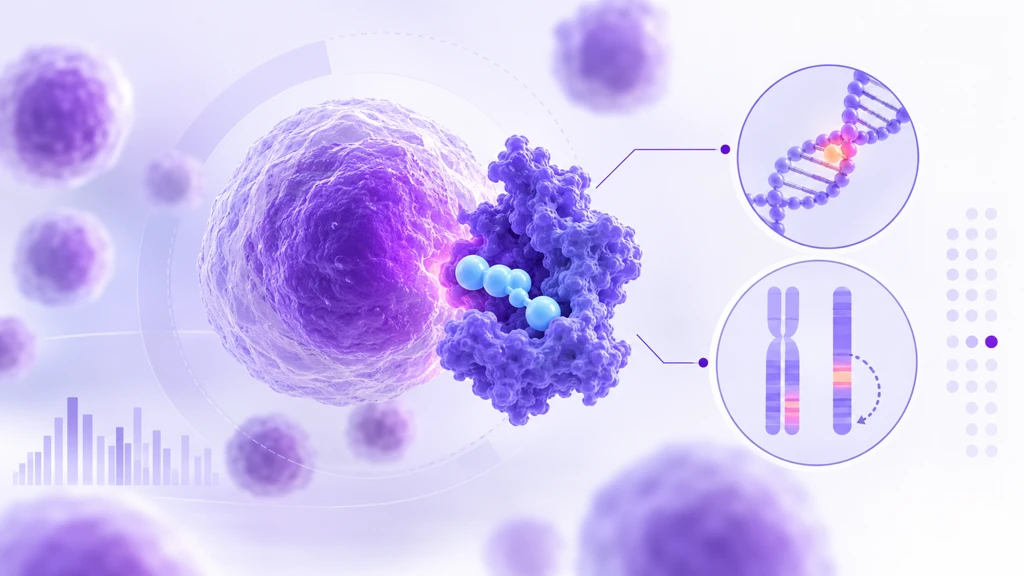
Elucidata's El- Perturb can shift toxicity prediction from static classification to mechanistic simulation. By moving beyond static predictions to In-Silico CRISPR simulations powered by cell-type specific patient data, it can simulate exactly how it happens in a real human context.
To understand why this shift matters, we need to examine where current models fall short:
To solve this, toxicity prediction needs to move beyond pattern recognition and toward simulating how biological systems actually respond to perturbations.
While others use raw data, we use our Polly framework which includes Agentic AI systems to clean, harmonize, and curate massive use case specific patient datasets. El-PERTURB is fed with this harmonized data, allowing it to understand the actual behaviour and biology of a living cell.
Instead of just looking at a molecule's structure, El-PERTURB can perform Virtual CRISPR. It can systematically perturb the genetic network of a cell to observe how information flow is disrupted. Let’s understand the difference:
El-PERTURB is custom-trained on rich patient data, which can better simulate how cells will respond to CRISPR knockouts.
By choosing a specialized perturbation engine over a generic model, biotech companies can:
Generic AI is no longer enough for the complexities of human biology. With El-PERTURB, you aren't just running a simulation; you can conduct a virtual clinical trial for toxicity risk and safety profiling at the molecular level.
Exploring toxicity prediction or in-silico perturbation models? Connect with Elucidata to simulate drug safety with precision.


.svg)
.svg)


%201%20(1).svg)


%201%20(1).svg)


%20(1).svg)




.svg)
%20(1).svg)


