.svg)
%201.svg)
Don't Move the Data. Move the Model.
%20(1).svg)
Mariyum Habib

March 3, 2026
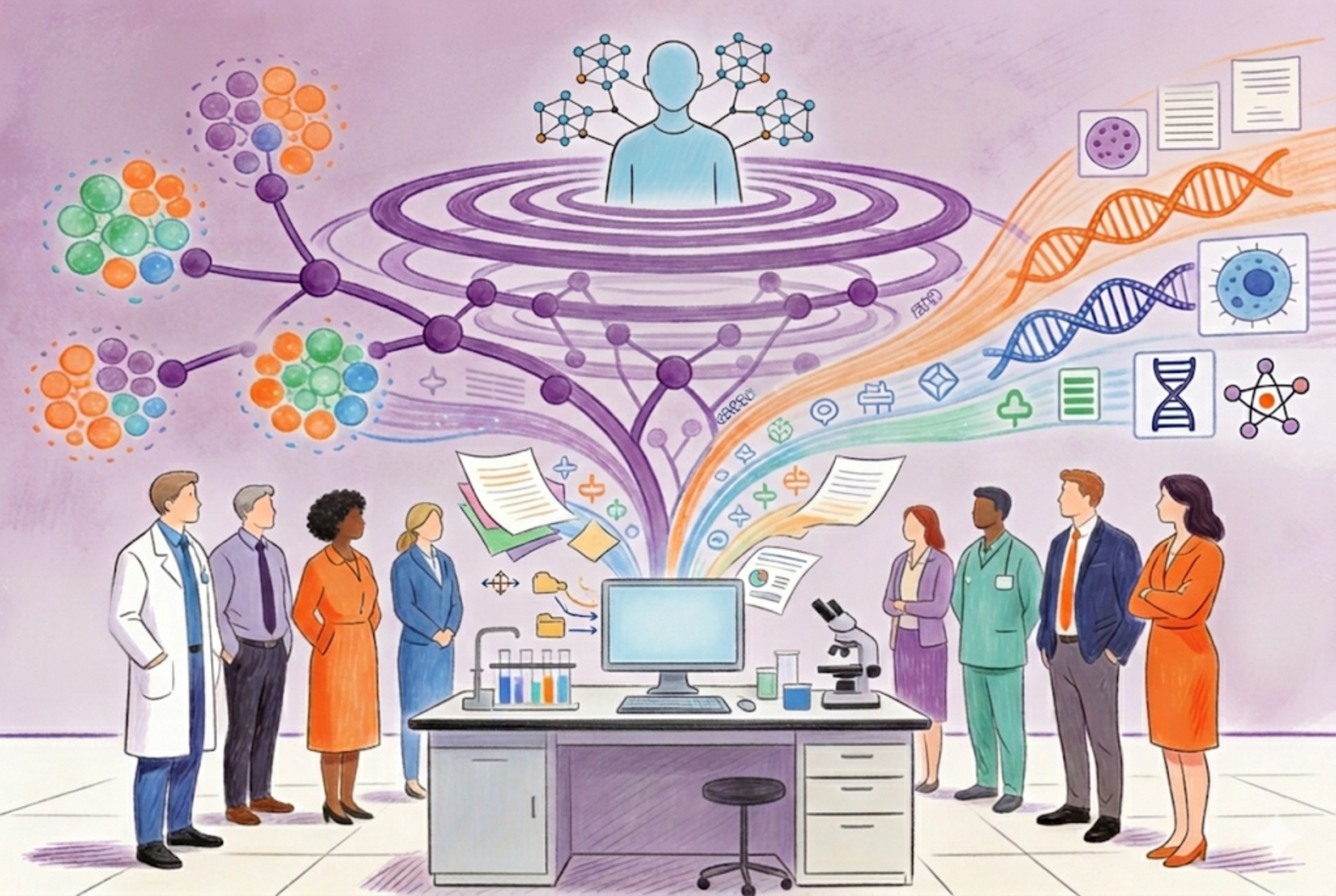
There's a paradox in modern healthcare AI: We have more medical data being generated today than at any other point in human history, including scans, genomic sequences, pathology slides, and clinical records, and yet the vast majority of it is effectively invisible to the researchers.
Biomedical innovation is currently stalled by 97% of healthcare data remaining siloed due to privacy laws (GDPR/HIPAA) and technical fragmentation. We know that patient privacy matters and institutional trust matters but the side effect of all that caution is that the AI models being built to detect cancer, predict disease progression, or guide treatment decisions are often trained on whatever data someone managed to pull together, which lacks in quantity and quality.
This is the problem Elucidata's Federated Learning solution is designed to crack.
The default assumption in machine learning has long been to gather your data, clean it, centralize it, and train on it. But in healthcare, this approach quietly introduces a set of compounding problems.
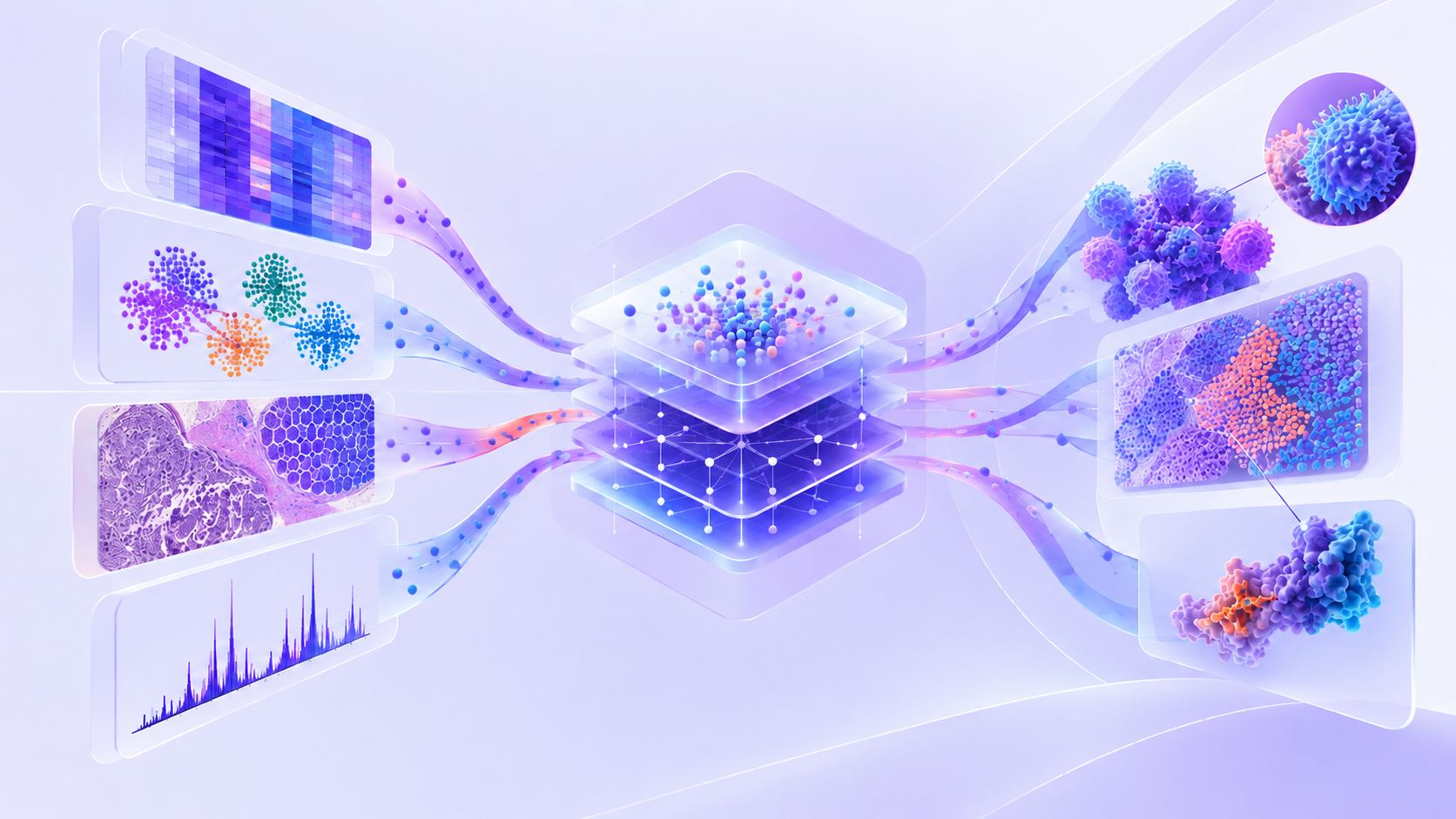
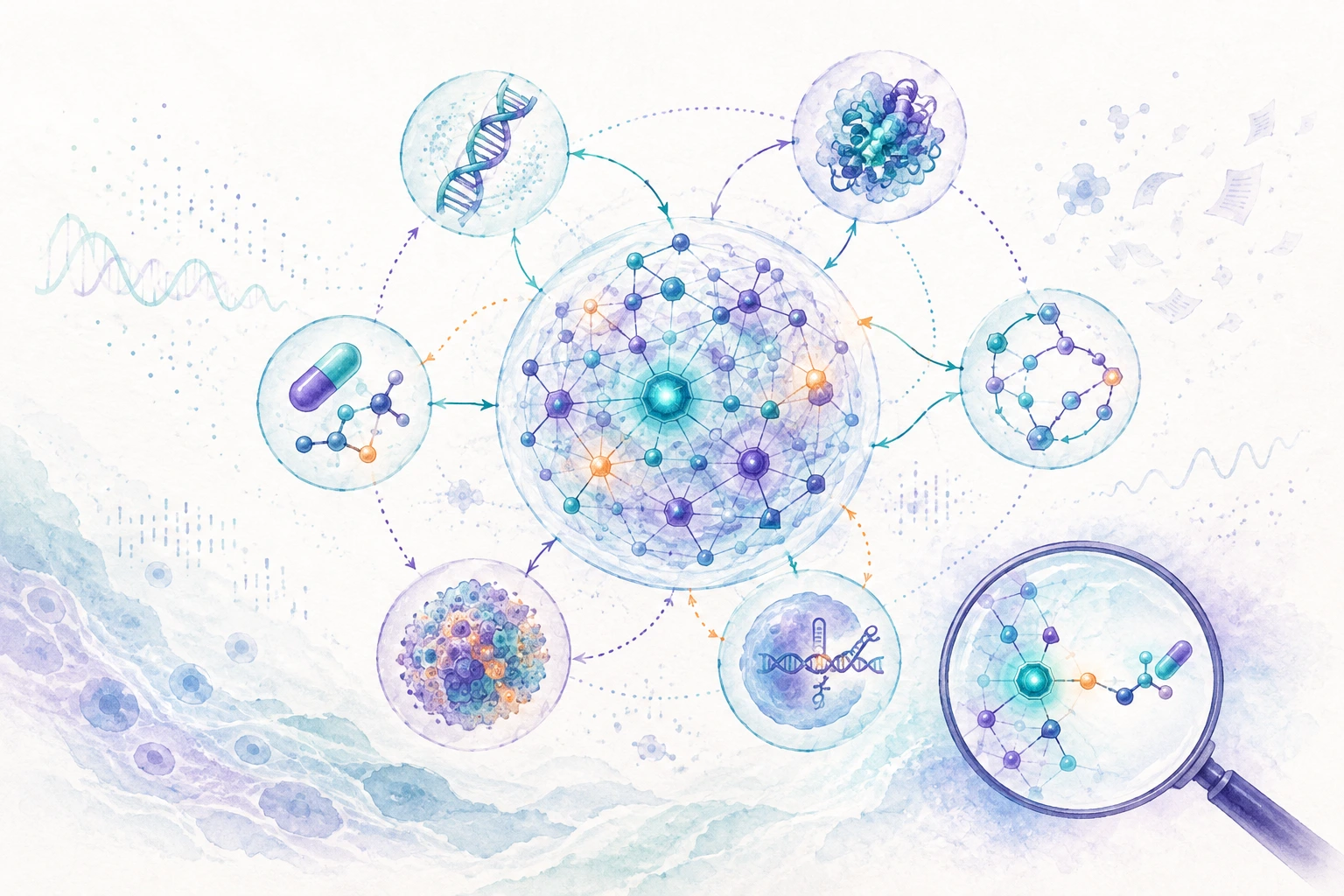
Federated learning flips the logic entirely. Instead of moving data to the model, the model moves to the data.
Elucidata’s approach allows organizations to leverage decentralized machine learning. Instead of moving data to the model, the model "travels" to the data. Our federated learning solution is built using AWS Cloud Infrastructure with a secure and scalable architecture.
Our models are trained in secure, access-restricted environments and deployed in isolated, client-managed setups with no public internet access. A central server then collects only model parameters (weights) rather than raw data and ensures patient information never leaves its source. From these updates, a new global model is created and redistributed to all clients for further training. Communication across this infrastructure is secured via VPC Peering for private data exchange, with AWS CloudWatch enabling real-time performance monitoring through the Polly Dashboard.
It's a clean architecture but what makes it stand out is the results.
We trained a deep learning model called HE2RNA across three geographically distributed AWS regions (N. Virginia, Ohio, and N. California). The task was to predict gene expression from histopathology images, specifically whole slide images (WSIs), which are the large, high-resolution scans used in cancer pathology.
The dataset totalled 800 GB spread across three separate regions. And throughout the entire training process, not a single raw image left its originating region.
The model achieved a correlation of 0.246 and demonstrated high robustness when tested on external hold-out datasets. The training loss curve told the same story, the steady decline across rounds highlighted successful cross-institutional learning, where each aggregation step improved model performance while preserving data privacy.


.svg)
.svg)


%201%20(1).svg)


%201%20(1).svg)


%20(1).svg)





.svg)
%20(1).svg)


